
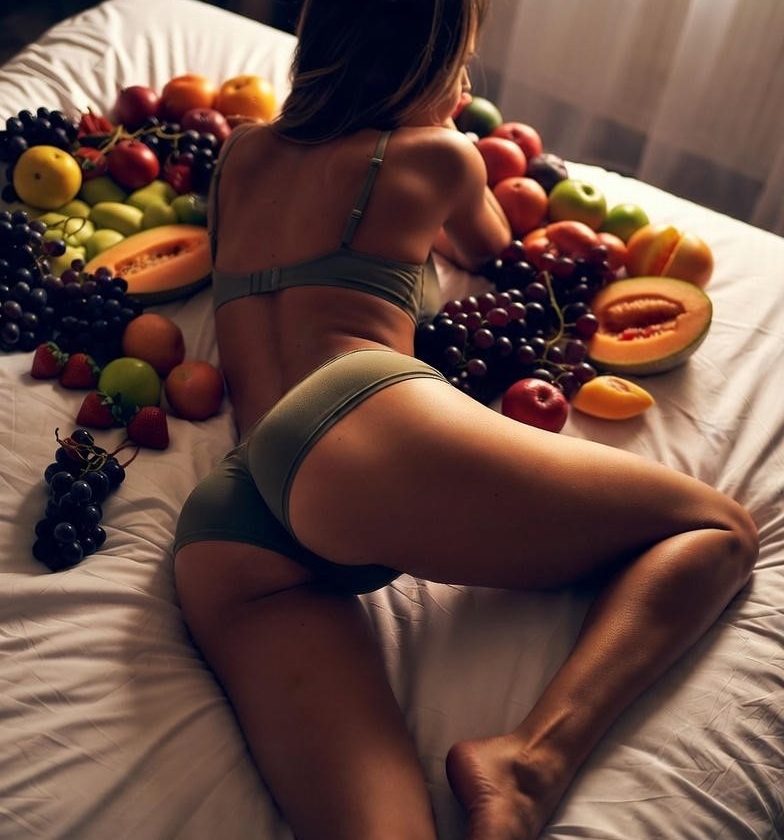
In the rapidly evolving landscape of AI-generated imagery, the ability to create hyper-realistic AI photos and realistic digital portraits has opened unprecedented possibilities for artists, designers, and content creators. Among the most advanced tools in this space are realistic adult AI image generators, which leverage cutting-edge machine learning models and neural network-based images to produce stunning, lifelike visuals. Whether you’re exploring text-to-image AI tools, experimenting with AI art creation, or seeking AI-powered visual creation solutions, these technologies are reshaping how we approach AI image synthesis and synthetic media.
This guide will walk you through how to use a realistic adult AI image generator to transform your ideas into breathtaking visuals, from selecting the perfect AI-generated human faces to refining AI facial reconstruction for unparalleled realism. We’ll also delve into the ethical considerations surrounding synthetic media ethics and AI image authenticity, ensuring you understand both the creative potential and the responsibilities of AI-generated content ethics.
Understanding Realistic Adult AI Image Generation
The foundation of realistic adult AI image generators lies in generative adversarial networks (GANs) and other advanced deep learning image generation techniques. These AI-driven visual content tools use vast datasets of images to train neural network-based images, enabling them to generate photorealistic AI that mimics human likeness with astonishing accuracy. Unlike traditional methods, AI-generated imagery allows for instant iteration, customization, and the creation of synthetic human imagery that would be nearly impossible to distinguish from real photographs.
Key Features of Realistic Adult AI Image Generators:
- Hyper-realistic AI photos with lifelike details and textures.
- AI art authenticity that challenges traditional notions of digital creation.
- Text-to-image AI tools that translate descriptions into stunning visuals.
- AI facial reconstruction for customizable, realistic portraits.
- Synthetic media applications across industries like entertainment, marketing, and digital art.
Using an AI-powered visual creation tool like a realistic adult AI image generator is straightforward, yet the results can be extraordinary. Here’s a step-by-step guide to getting started:
Step 1: Choose Your Template or Start from Scratch
Many AI-generated imagery platforms offer pre-designed templates or allow you to upload your own reference images. For realistic AI portraits, you might start with a simple sketch or a basic outline, which the AI image synthesis tool will refine into a detailed, lifelike image. Alternatively, you can select from a gallery of realistic digital portraits to customize further.
If you’re working with AI-generated human faces, consider providing specific details like hairstyle, facial features, or clothing to guide the AI art creation process. The more precise your input, the closer the output will resemble your vision.
Step 2: Refine Your Prompt for Maximum Realism
The power of text-to-image AI tools lies in your ability to craft detailed prompts. For hyper-realistic AI photos, focus on:
- Facial details (e.g., “a woman with high cheekbones and natural lip color”).
- Body language and posture (e.g., “a confident pose with one hand on the hip”).
- Lighting and environment (e.g., “soft studio lighting with a warm golden hue”).
- Clothing and accessories (e.g., “a sleek black dress with gold jewelry”).
For example, instead of a generic prompt like “a beautiful woman,” try:
“A 28-year-old woman with olive skin, long dark brown hair styled in loose waves, wearing a fitted black top with a subtle sequin pattern, standing in a sunlit room with natural light streaming through a large window.”
This level of detail significantly enhances the realistic AI visuals produced.
Step 3: Animate and Edit Your AI-Generated Images
Once your AI-generated imagery is ready, many platforms allow you to:
- Animate photos to bring them to life with subtle movements or expressions.
- Edit images to adjust lighting, colors, or backgrounds for a polished finish.
- Generate variations to explore different styles, poses, or outfits.
For instance, you might use AI-powered photography tools to enhance the realistic AI character creation by adding depth to the background or refining the subject’s features for AI image resolution perfection.
Step 4: Review and Export Your Masterpiece
Before finalizing, take time to review your synthetic media output. Check for any inconsistencies, such as unnatural facial proportions or background elements that don’t align with your prompt. Most AI art creation platforms provide tools to tweak these details before exporting.
Once satisfied, export your image in your desired format (e.g., PNG, JPEG, or high-resolution TIFF) and resolution. For realistic AI visuals, higher resolutions ensure your images maintain their quality when printed or displayed on large screens.
Exploring the Capabilities of AI-Generated Human Faces
The ability to create AI-generated human faces with AI facial reconstruction technology is one of the most fascinating aspects of realistic adult AI image generators. These tools can:
- Generate entirely new synthetic human imagery from text descriptions.
- Reconstruct or enhance existing images for realistic AI portraits.
- Create realistic AI avatars for virtual interactions or digital content.
For example, you might use AI image synthesis to:
- Design a realistic digital portrait of a fictional character for a book cover.
- Generate hyper-realistic AI photos of models for fashion campaigns.
- Create AI-generated content for educational or training purposes, such as realistic simulations.
Example 1: Text-to-Image AI
“A 30-year-old man with a beard, wearing a tailored suit, standing in a modern office with a city skyline view.”
Example 2: AI Facial Reconstruction
Original blurry image → Enhanced with AI facial reconstruction for a sharp, realistic portrait.
Example 3: Synthetic Media for Marketing
Realistic AI character generation for a product launch campaign.
Ethical Considerations in AI-Generated Imagery
While the potential of realistic adult AI image generators is vast, it’s crucial to navigate the AI-generated content ethics and synthetic media ethics responsibly; Some key considerations include:
AI Image Authenticity and Misuse
The rise of deepfake art and synthetic media has raised concerns about AI image authenticity. Tools capable of generating hyper-realistic AI photos can be misused to create fake news, deepfake videos, or misleading content. Always ensure your use of AI-generated imagery aligns with ethical guidelines and legal standards.
Synthetic Media Regulations
Governments and organizations are beginning to implement synthetic media regulations to address the challenges posed by AI-generated content. Stay informed about local laws regarding AI image authenticity and deepfake technology to avoid unintended consequences.
AI Art Authenticity and Originality
As AI art authenticity becomes a topic of debate, it’s important to recognize the role of human input in the creative process. While AI-generated imagery can serve as a powerful tool, the final touch of creativity often comes from the user’s direction and refinement.
Synthetic Image Detection
With advancements in deep learning in art, tools for synthetic image detection are also improving. Be transparent about the use of AI-generated visuals to maintain trust and integrity in your work.
Try Our AI-Powered Realistic Adult Image Generator Today
Ready to explore the possibilities of AI-generated imagery? Our platform offers a free trial where you can:
- Upload a photo and see how our AI image synthesis tools can enhance it.
- Experiment with text-to-image AI tools to generate realistic AI portraits from your descriptions.
- Animate and edit your images to achieve computer-generated realism.
Whether you’re a professional artist, a marketer, or simply curious about AI art creation, our AI-powered visual creation tools provide a seamless way to bring your ideas to life. Start by uploading a photo or crafting a detailed prompt—your journey into realistic AI visuals begins here.
Discover firsthand how AI-generated content can transform your creative projects with realistic AI character creation, AI-generated portrait realism, and beyond. The future of AI visual synthesis is here—embrace it responsibly and creatively.
Final Thoughts: The Future of AI-Generated Imagery
The evolution of realistic adult AI image generators reflects broader trends in deep learning for art and AI art trends. As machine learning models continue to advance, we can expect even more sophisticated AI-generated visuals, including:
- Neural radiance fields (NeRF) for ultra-realistic 3D environments.
- Enhanced AI image quality with higher resolutions and finer details.
- More intuitive AI-assisted design tools for non-technical users.
For now, the key is to experiment, learn, and use these tools thoughtfully; Whether you’re creating realistic AI human models for entertainment, AI-generated content for marketing, or synthetic media applications in education, the possibilities are limited only by your imagination. Embrace the power of AI-powered digital art and explore the endless frontiers of AI-generated realism.




As someone who’s experimented with AI art tools, I found this guide’s practical steps on refining AI facial reconstruction and selecting realistic human faces invaluable. The balance between technical depth and actionable advice makes it stand out. A must-read for anyone exploring the intersection of creativity and synthetic media—just ensure you’re aware of the ethical implications discussed!
This guide is an absolute game-changer for anyone diving into AI-generated imagery! The breakdown of GANs and neural network-based techniques is incredibly clear, making it accessible even for beginners. The emphasis on ethical considerations adds a much-needed layer of responsibility—something often overlooked in tech discussions. Highly recommend for artists and creators looking to push boundaries while staying mindful.