
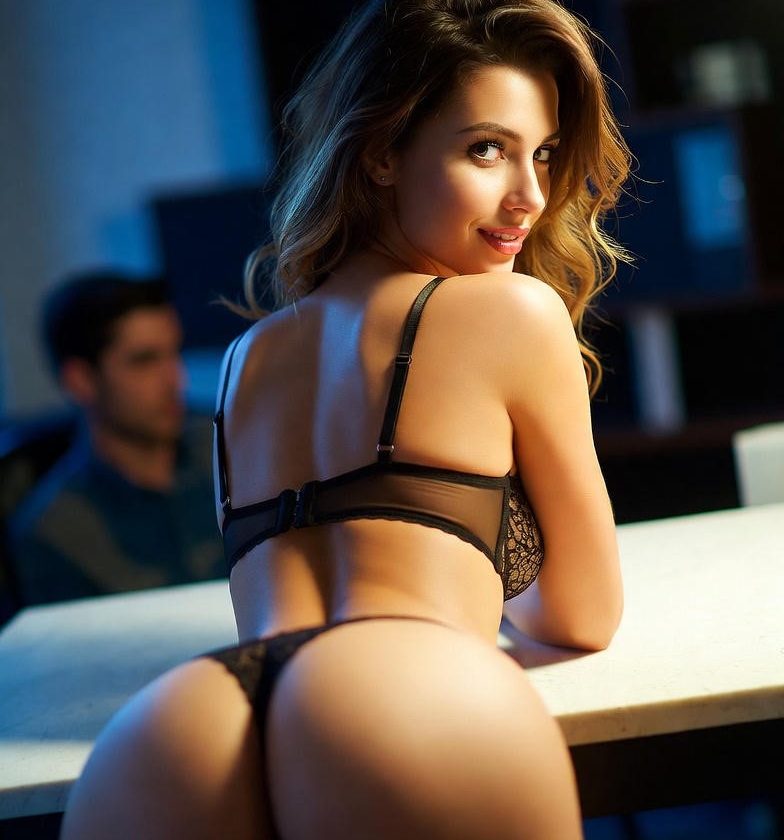
In the ever-evolving landscape of AI art generation tools, the ability to create AI-generated artwork that captures intricate details, emotional depth, and artistic nuance has become a game-changer. Among the most groundbreaking advancements is the emergence of AI scene generators that specialize in producing adult-themed AI art with rich, stylized visuals. These systems leverage deep learning for creativity and neural networks for visual art to transform abstract concepts into stunning, hyper-realistic, or abstract compositions that resonate with viewers.
Whether you’re an artist seeking inspiration, a content creator looking to enhance visual storytelling, or simply an enthusiast exploring the boundaries of AI-driven artistic expression, these tools open doors to limitless possibilities. Below, we’ll explore how AI-powered image synthesis can revolutionize your creative process, particularly in the realm of adult-themed AI scene generation.
Understanding the Technology Behind AI Scene Generation
The foundation of these AI art generation tools lies in advanced deep neural networks (DNNs) for imagery, particularly generative adversarial networks (GANs) and deep convolutional generative models. These creative AI models are trained on vast datasets of artistic references, allowing them to learn and replicate a wide range of AI art styles, from classical to hyper-realistic, and even futuristic or surreal.
One of the most powerful techniques employed is neural style transfer, which enables the application of artistic styles from one image to another. This method, rooted in artistic deep learning, allows users to blend the content of one scene with the aesthetic of another, creating entirely new AI-generated visual art. For example, you can take a photograph and transform it into a painting in the style of Van Gogh or a digital illustration reminiscent of cyberpunk aesthetics.
Another key innovation is style-based generators, which refine the output by separating content and style features. This approach ensures that the generated scenes retain coherence while embodying the desired artistic flair. Whether you’re aiming for AI art style blending or a single, dominant style, these models excel in delivering polished results.
Generative adversarial style transfer is particularly noteworthy, as it pits two neural networks against each other—one generating images and the other evaluating them—to create hyper-realistic or stylized outputs that push the boundaries of what’s possible.
Exploring Artistic Styles in AI-Generated Scenes
The beauty of AI-powered creative tools lies in their ability to adapt to a myriad of AI art styles. From the dreamy, ethereal quality of watercolor to the bold, graphic lines of anime, these tools can emulate virtually any artistic movement. Here’s a glimpse into some of the most captivating styles you can achieve:
- Hyper-Realistic: These scenes mimic photography with astonishing detail, capturing textures, lighting, and proportions with near-perfect accuracy. Ideal for creating lifelike adult-themed imagery.
- Surreal and Dreamlike: Blending elements in unexpected ways, these styles evoke a sense of fantasy and wonder, perfect for imaginative storytelling.
- Cyberpunk and Futuristic: Neon-lit urban landscapes with a touch of dystopian edge, these styles are popular in sci-fi and speculative fiction.
- Classic and Timeless: From impressionist brushstrokes to the elegance of Baroque, these styles offer a nod to traditional art forms.
- Abstract and Minimalist: Focused on shapes, colors, and emotions rather than realism, these styles are great for conveying mood and atmosphere.
- Anime and Manga: Expressive characters and dynamic compositions, often with exaggerated features and vibrant colors.
With AI art style adaptation, you can even mix and match elements from different styles to create something entirely unique. For instance, you might blend the hyper-realistic textures of a photograph with the bold, graphic lines of a comic book, resulting in a scene that’s both detailed and stylized.
Tools like AI art style transfer platforms allow you to upload a reference image and apply a specific style to it, or generate entirely new scenes from scratch using text prompts. This flexibility makes them invaluable for both artists and non-artists alike.
How to Use AI Scene Generators for Your Projects
Integrating AI-powered visual content creation into your workflow is simpler than you might think. Here’s a step-by-step guide to getting started:
- Define Your Vision: Before diving into the tool, clarify what you want to create; Are you aiming for a specific mood, theme, or artistic style? For example, do you want a romantic evening scene with soft lighting, or a dramatic, high-contrast composition?
- Choose the Right Tool: Select an AI art generation tool that aligns with your needs. Some platforms specialize in AI-generated aesthetic styles, while others offer more customization options for AI art customization. Look for features like:
- Text-to-image generation for creating scenes from descriptions;
- Style transfer to apply artistic filters to existing images.
- Customization controls for adjusting lighting, composition, and other elements.
- High-resolution output for professional-quality results.
- Experiment with Prompts: Craft detailed prompts to guide the AI. The more specific you are, the better the results. For example:
- “A moody, neon-lit cyberpunk alleyway at night with a lone figure in a futuristic dress, soft bokeh lighting, cinematic composition.”
- “A romantic beach scene with golden hour lighting, two figures embracing, watercolor-style brushstrokes, dreamy atmosphere.”
- “A surreal fantasy landscape with floating islands, pastel colors, and intricate details, inspired by Studio Ghibli.”
- Refine and Iterate: Most AI art generation tools allow you to tweak the output. Adjust parameters like style intensity, detail level, or aspect ratio until you achieve the desired look. Some platforms even offer AI art style enhancement features to fine-tune the final result.
- Export and Integrate: Once satisfied, export your scene in the highest quality available. You can use it in digital art projects, marketing materials, or even print it for physical art displays.
Many platforms offer free trials or free credits to let you explore the capabilities without commitment. This is your chance to see firsthand how AI-driven artistic innovation can elevate your creative projects.
Ethical Considerations and Best Practices
While the potential of AI-generated artwork is vast, it’s essential to approach it responsibly. Here are some ethical guidelines to keep in mind:
- Respect Copyright: Ensure that any references or styles you draw inspiration from are either public domain or used in a way that doesn’t infringe on intellectual property rights.
- Transparency: If you use AI-generated visual art in professional or public contexts, be transparent about its creation. Clearly label AI-generated content to avoid misleading audiences.
- Avoid Misuse: Refrain from creating or sharing content that is harmful, exploitative, or non-consensual. Many platforms have guidelines against such use.
- Support Human Artists: While AI art generation tools are powerful, they shouldn’t replace human creativity entirely. Use them as a tool to enhance your work rather than a substitute for original thought.
- Stay Updated: The field of deep learning in digital art is rapidly evolving. Keep an eye on updates from the platforms you use to ensure you’re adhering to the latest best practices.
By following these principles, you can harness the power of AI-driven artistic transformation while contributing to a positive and ethical creative community.
The Future of AI in Artistic Scene Generation
The trajectory of AI-powered creative tools is nothing short of revolutionary. As deep generative models for images continue to advance, we can expect even more sophisticated AI art style blending capabilities, real-time generation, and hyper-personalized artistic experiences. Future developments may include:
- Real-Time Collaboration: Imagine working with an AI assistant that evolves alongside you, adapting to your creative process in real time.
- Enhanced Customization: More granular controls over every aspect of a scene, from material properties to emotional tone.
- Cross-Modal Generation: Combining visual art with music, text, or even 3D modeling for immersive storytelling.
- Sustainable Art Creation: Tools that reduce the environmental impact of digital art by optimizing computational processes.
- Accessibility: AI-driven tools that democratize art creation, allowing people of all skill levels to explore their creativity.
As computational creativity becomes more integrated into our daily lives, the line between human and AI-generated art will continue to blur, opening up exciting new avenues for expression. Whether you’re a seasoned artist or a curious beginner, now is the perfect time to explore the possibilities of AI-driven artistic innovation.
Ready to Explore AI Scene Generation?
Experience the future of AI-generated artwork with our intuitive platform. Upload a photo, describe your vision, and let our creative AI models bring it to life. Try it free today and discover how AI-powered visual content creation can transform your creative projects.
Start your creative journey now—upload a photo and see what our AI can create!
Frequently Asked Questions
- Can I use AI-generated scenes for commercial purposes?
Many platforms allow commercial use, but always check the terms of service. Some may require attribution or have usage restrictions. - How detailed can the AI-generated scenes be?
Modern AI art generation tools can produce highly detailed scenes, often rivaling professional photography or illustration. The level of detail depends on the complexity of the prompt and the resolution settings. - Can I train the AI on my own style?
Some advanced platforms offer custom training options, allowing you to fine-tune the AI to mimic your unique artistic signature. - What file formats are supported for output?
Most tools support high-quality formats like PNG, JPEG, and sometimes even RAW or TIFF for professional use. - Is there a learning curve for using these tools?
While some AI art generation tools are designed for beginners, mastering advanced features like AI art style blending or neural style mixing may take practice. Many platforms offer tutorials to help you get started.

Absolutely fascinating how far AI scene generation has come! The way these tools blend neural networks for visual art with deep learning for creativity is nothing short of revolutionary. As someone who works in digital content creation, I’ve already experimented with similar tools, and the potential for adult-themed AI art—when used responsibly and ethically—could truly push the boundaries of artistic expression. The emphasis on emotional depth and stylistic nuance is particularly compelling. Well-researched and thoughtfully presented!